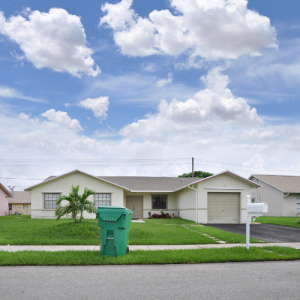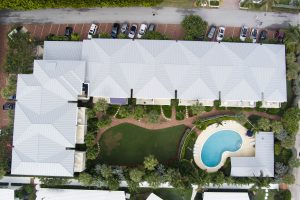

Florida homeowners know how intense the heat can feel during the summer months, but many people do not realize just how much constant heat and UV exposure can impact the lifespan of a roofing system. In South Florida especially, roofs are exposed to year-round sunlight, high humidity levels, heavy rain, salt air, and dramatic temperature fluctuations that place continuous stress on roofing materials.
Over time, this exposure can accelerate aging, weaken roofing components, and increase the likelihood of leaks, cracking, and premature roof failure. Understanding how Florida heat affects different roofing systems can help homeowners and property managers make smarter decisions about roof maintenance, inspections, repairs, and long-term roof replacement planning.
Gulfstream Roofing has served Palm Beach and Broward Counties since 1978, helping residential and commercial property owners protect their roofs from the harsh South Florida climate through inspections, repairs, maintenance, and roofing system expertise.
TL;DR: How Florida Heat Impacts Roof Lifespan
- Constant UV exposure slowly breaks down roofing materials
- High temperatures cause roofing systems to expand and contract daily
- Florida humidity and moisture accelerate roof deterioration
- Heat can weaken shingles, membranes, flashing, and sealants over time
- Poor ventilation may trap heat and shorten roof lifespan
- Flat roofs are especially vulnerable to standing water and UV damage
- Regular roof inspections help identify heat-related wear early
Constant UV Exposure Gradually Breaks Down Roofing Materials
One of the biggest threats to roofing systems in Florida is ultraviolet radiation. South Florida roofs are exposed to intense sunlight nearly every day of the year, and this constant exposure slowly degrades roofing materials over time.
UV rays can dry out roofing components, weaken protective surfaces, and cause materials to become brittle. As roofing materials age, they may begin cracking, curling, blistering, fading, or losing their ability to properly shed water.
Different roofing systems respond to heat differently:
- Asphalt shingles may become brittle and lose granules
- Flat roof membranes may crack or separate
- Sealants and flashing materials may dry out over time
Daily Expansion and Contraction Creates Roofing Stress
Florida roofs experience constant thermal movement due to changing temperatures throughout the day. Roofing materials heat up under direct sunlight and cool down overnight, causing repeated expansion and contraction cycles.
Over time, this movement places stress on:
- Roofing seams
- Flashing systems
- Fasteners
- Adhesives
As materials shift repeatedly, small gaps or weak points may eventually form within the roofing system. This is one reason roof leaks often develop around penetrations, flashing details, and transition areas.
Flat roofing systems are especially vulnerable because large surface areas absorb substantial amounts of heat throughout the day.
Florida Humidity and Moisture Increase Roof Deterioration
Heat alone is not the only issue affecting roofs in South Florida. High humidity levels and frequent rainstorms create additional stress that can accelerate deterioration.
Moisture may become trapped beneath damaged roofing materials or within poorly ventilated attic spaces.
Combined with extreme heat, this creates conditions that may contribute to:
- Mold growth
- Wood rot
- Insulation damage
- Premature material breakdown
In coastal areas, salt air may also contribute to corrosion of certain metal roofing components and fasteners over time.
This combination of heat, humidity, moisture, and salt exposure is one reason Florida roofs often age faster than roofs in milder climates.
Poor Roof Ventilation Can Trap Excessive Heat
Trapped heat may:
- Accelerate shingle deterioration
- Increase moisture buildup
- Affect energy efficiency
- Add stress to roofing materials
Poor ventilation may also contribute to uneven roof temperatures, which can increase thermal expansion stress throughout the roofing system.
Professional roofing inspections can help identify ventilation issues that may be affecting roof performance and longevity.
Flat Roofs Face Additional Heat-Related Challenges
Commercial flat roofing systems and low-slope roofs are especially vulnerable to Florida heat because they absorb direct sunlight across large surface areas for extended periods of time.
Flat roofs may experience:
- Ponding water
- Membrane shrinkage
- Surface cracking
- UV-related deterioration
Standing water combined with intense UV exposure may significantly shorten the life expectancy of certain roofing systems if maintenance is neglected.
Routine inspections and preventative maintenance help identify drainage issues, membrane damage, and developing weak points before larger failures occur.
Regular Roof Maintenance Helps Extend Roof Lifespan
Although Florida weather creates difficult conditions for roofing systems, proactive maintenance can help significantly extend roof lifespan.
Routine inspections allow roofing professionals to identify:
- Early cracking or blistering
- Damaged flashing
- Loose materials
- Drainage issues
- UV-related deterioration
Small repairs made early are often far less expensive than addressing widespread water intrusion or major structural damage later.
Gulfstream Roofing provides roof inspections, maintenance, repairs, and long-term roofing solutions designed to help South Florida property owners protect their roofing investment against heat, humidity, storms, and moisture exposure.
Takeaways About Florida Heat and Roof Lifespan
Gulfstream Roofing has decades of experience helping South Florida homeowners and commercial property owners maintain and protect their roofs against the harsh Florida climate.
Proactive roofing maintenance may help:
- Extend roof lifespan
- Prevent costly leaks
- Reduce heat-related roof damage
- Identify roofing issues early
Regular inspections and preventative maintenance remain some of the best ways to protect roofing systems in South Florida’s demanding environment. Contact Gulfstream Roofing today to get started on protecting your roof.